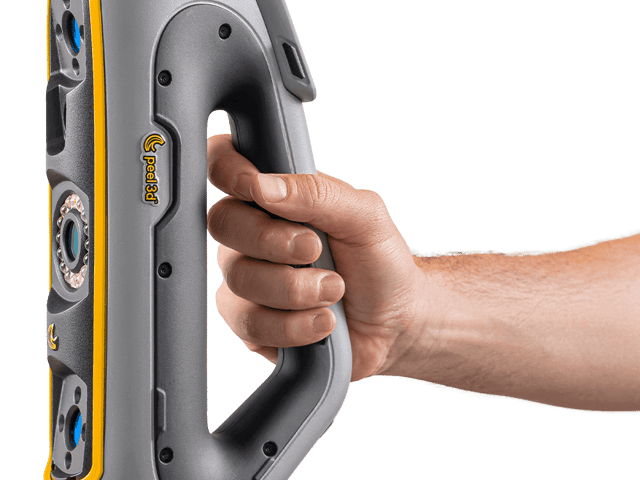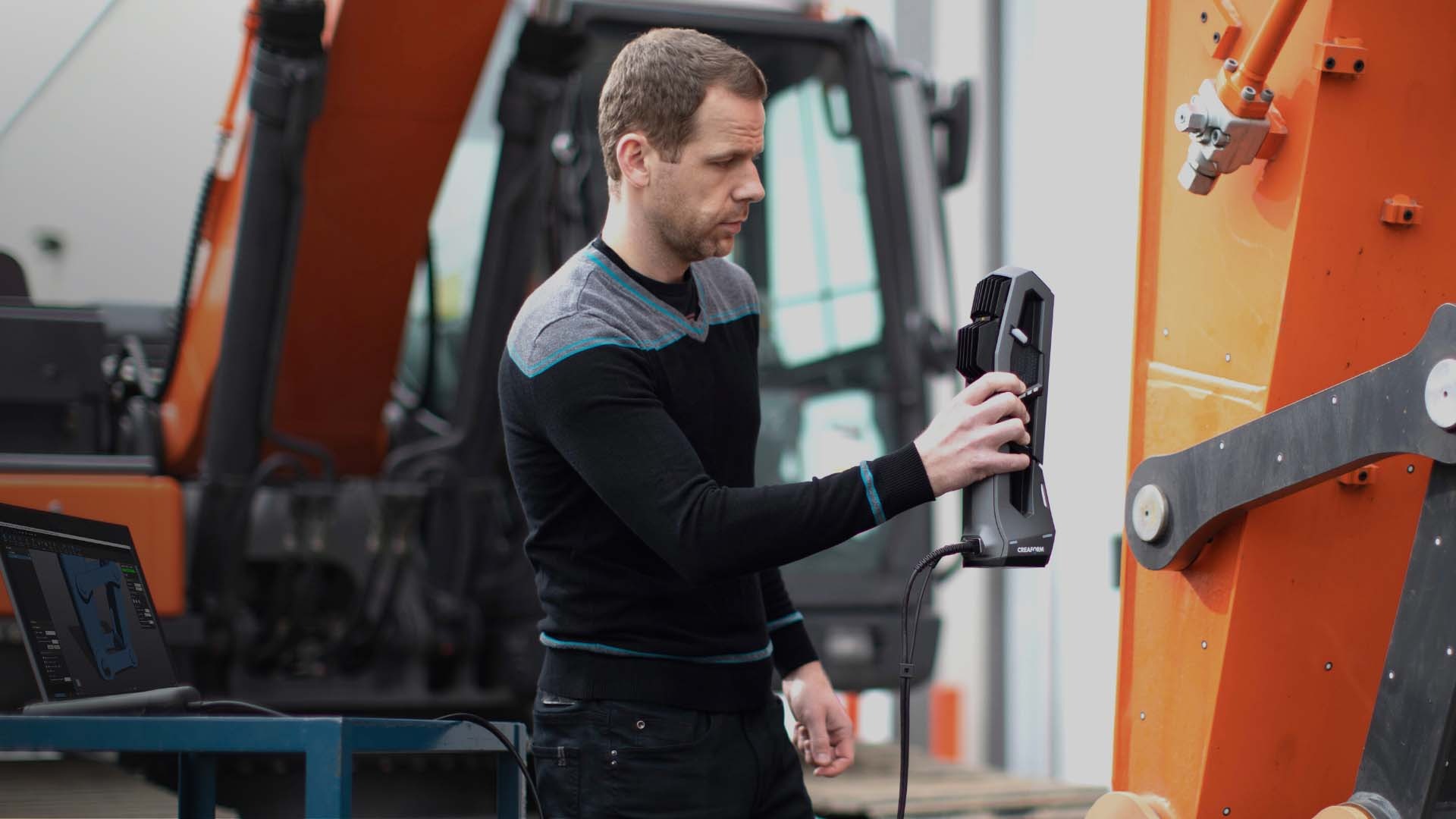
We bring metrology-grade portable 3D scanning to you, anywhere in New Zealand - for reverse engineering, inspection and turning physical parts into CAD models you can actually work with.
What we scan and why
Complex parts that defeat hand measurement, parts you need a permanent digital record of, and objects stuck in awkward places - the portable scanners set up in minutes and work in almost any environment. Typical jobs: reverse engineering existing parts, quality control and inspection, parametric remodelling, prototyping preparation and heritage documentation.
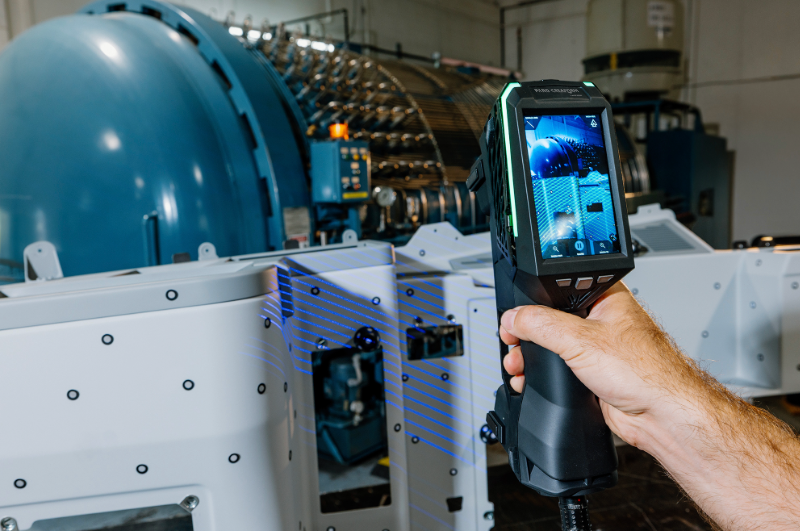
Equipment matched to the job
We select the capture setup around part size, surface, access, accuracy and the output you need. Tell us the required tolerance and the CAD or inspection software it has to reach, and we will scope the job before quoting.
Files for your CAD software
Get mesh and CAD files in STL, STEP, IGS, OBJ, DXF/DWG, SOLIDWORKS and other formats on request.
Software for the next step
Continue from an accurate scan into CAD, point-cloud drafting or repeatable scan-to-CAD.
How a 3D scanning project works
1Define output
We confirm what the data must support, including inspection, reverse engineering, archiving or CAD.
2Plan capture
We confirm access, preparation, target accuracy and where the scan will happen.
3Process data
We clean and align the scan, then create the agreed mesh, inspection data or CAD geometry.
4Handover
You receive the agreed formats with any scope notes needed for the next step.
What to include in your scanning brief
Object
Approximate dimensions, material, surface finish and photos.
Purpose
What the result must be used for and the required accuracy or tolerance.
Output
Preferred file format, CAD platform, location, access constraints and deadline.
3D scanning service questions
Can you scan anywhere in New Zealand?
Yes. We provide on-site 3D scanning across New Zealand. Send the location and access constraints so travel and setup can be included in the scope.
Can you return CAD files instead of only a mesh?
Yes. Depending on the job, outputs can include STL, OBJ and other mesh formats, or STEP, IGES, DXF/DWG and other CAD formats agreed before work starts.
Should I hire a scanner or book the service?
Hire suits teams that want to run the capture themselves. For a one-off job or when you need finished data, the scanning service is usually the simpler option.
Scan it yourself
Regular scanning need? Hire a scanner - they're running in under five minutes and don't demand specialist experience - or talk to us about owning one: the peel 3 covers professional handheld scanning without the metrology price tag.