Enscape Envision
Render Channels
This page provides information about the render channels (render elements) in Enscape Envision.
Last updated 27 May 2026
This page provides information about the render channels (render elements) in Enscape Envision.
Overview
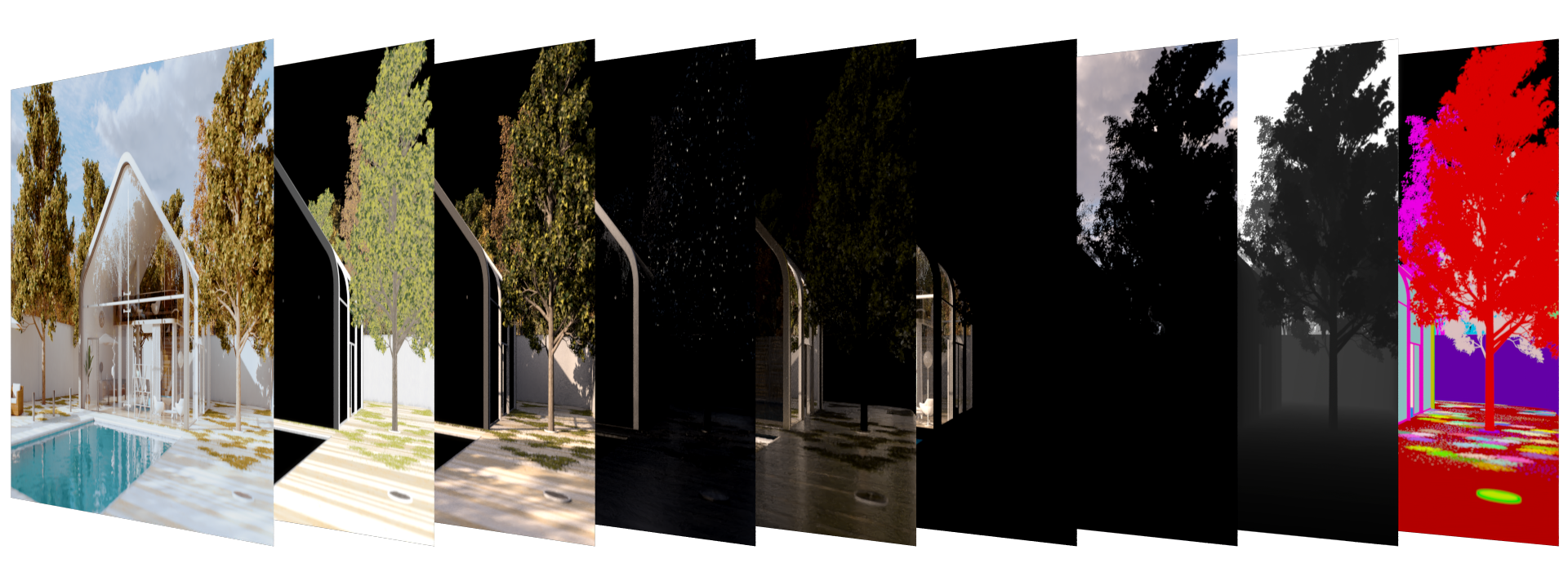
Render Channels (also known as Render Elements) are a way to break out renders into their component parts such as diffuse color, reflections, shadows, mattes, etc. This gives fine control over the final image when using compositing or image editing applications when re-assembling the final image from its component elements. Render channels are also sometimes known as render passes.
Render Channels are generated at render time based on the ones you choose before rendering.
For a complete list of render channels, see the List of Supported Render Channels below.
UI Path
To access the Render Channels dialog, go to:

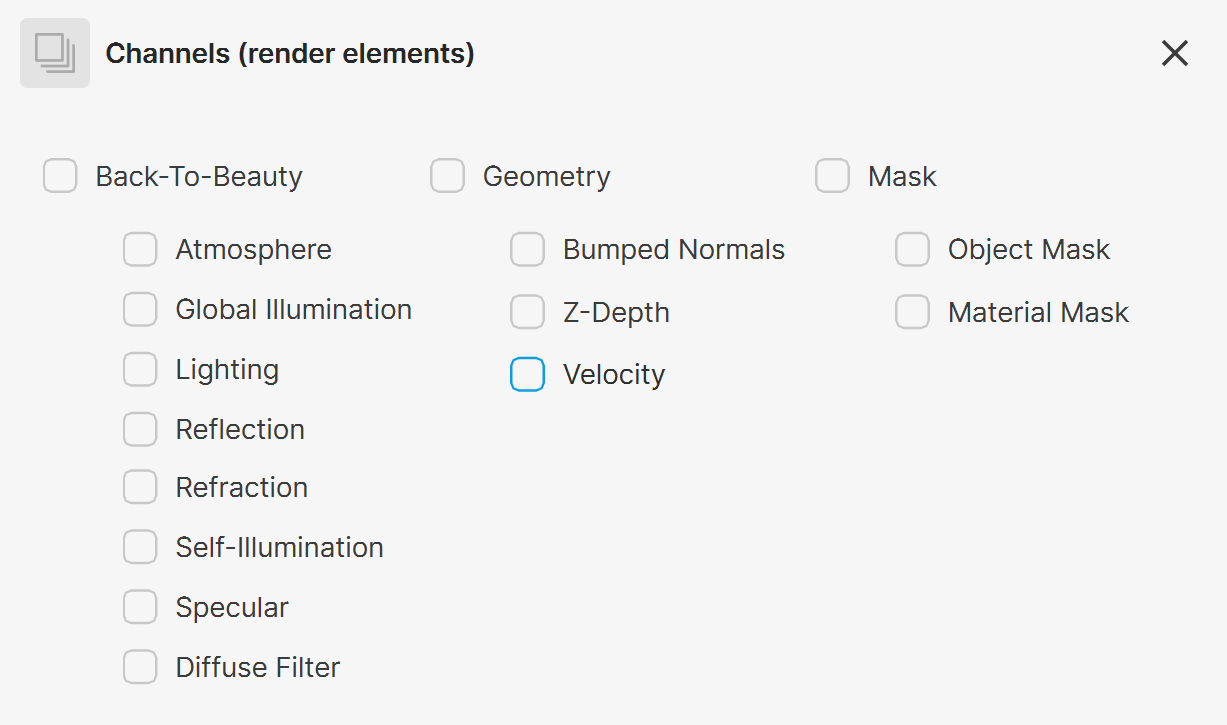
||Render menu|| > Render image(s)... > select either Still Image or Sequence tab > Render settings > button
Render Channels Sub-groups
Render Channels in Enscape Envision break down into three major groups:
- Beauty render channels – These are the primary render channels that form Envision's pre-composited final render pass.
- Geometry render channels – These render channels rely on geometry to generate geometry data for the compositing process.
- Mask render channels – These render channels aid selection masking in the compositing process.
Supported Render Channels
The following render channels are supported by Enscape Envision.
Render channel name | Color Depth of PNG, JPEG channels | Color Depth of EXR floating-point channels | Description |
|---|
Render channel name | Color Depth of PNG, JPEG channels | Color Depth of EXR floating-point channels | Description |
|---|---|---|---|
Beauty | |||
Back-to-beauty group | 8bit | 16bit | Enables all beauty elements for the actual rendering. |
Atmosphere | 8bit | 16bit | Atmospheric effects. |
Global Illumination | 8bit | 16bit | The diffuse surface global illumination. |
Lighting | 8bit | 16bit | The diffuse direct surface lighting. |
Reflection | 8bit | 16bit | The reflections on the surface. |
Refraction | 8bit | 16bit | The refractions on the surface. |
Self-Illumination | 8bit | 16bit | The self-illumination of the surface. |
Specular | 8bit | 16bit | The surface specular highlights. |
Diffuse Filter | 8bit | 16bit | The pure diffuse surface color. |
Geometry | |||
Bumped Normals | 8bit | 16bit | The normals generated by bump maps, in screen space. |
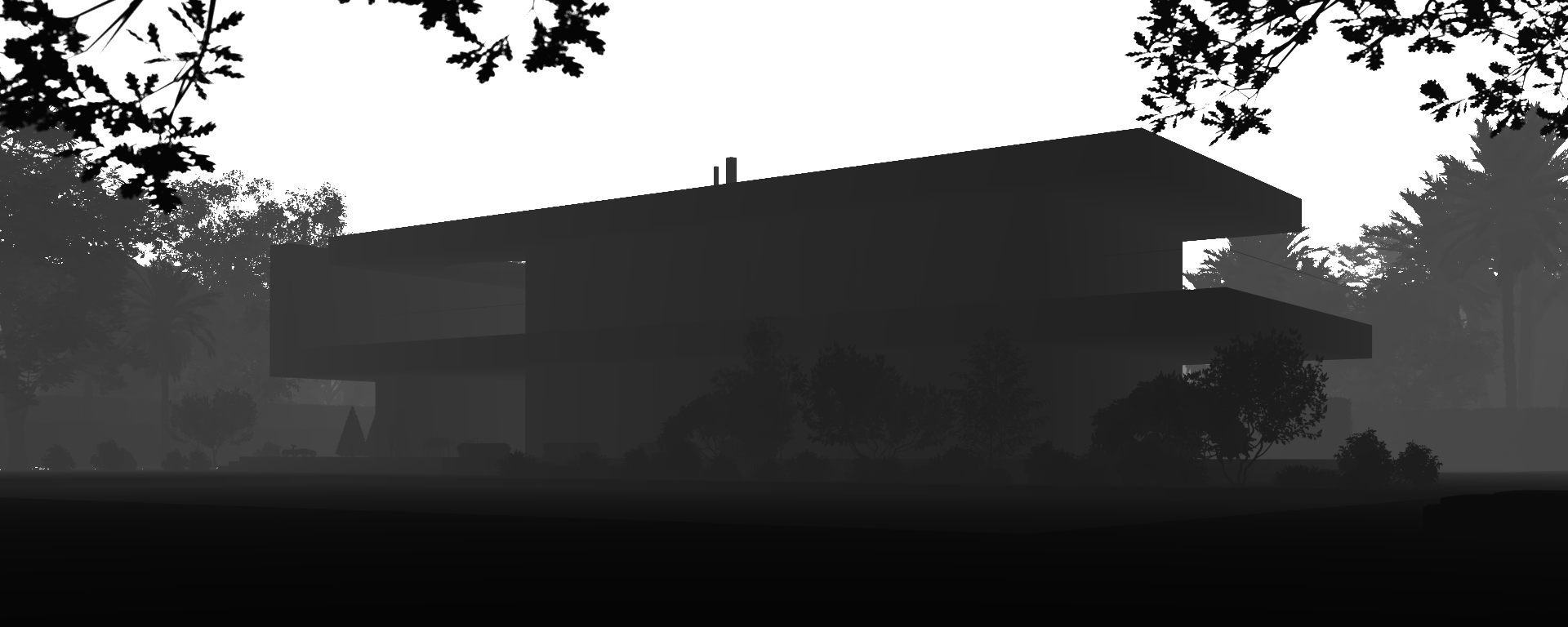
Z-Depth | 8bit | 16bit | The z-depth of the scene. |
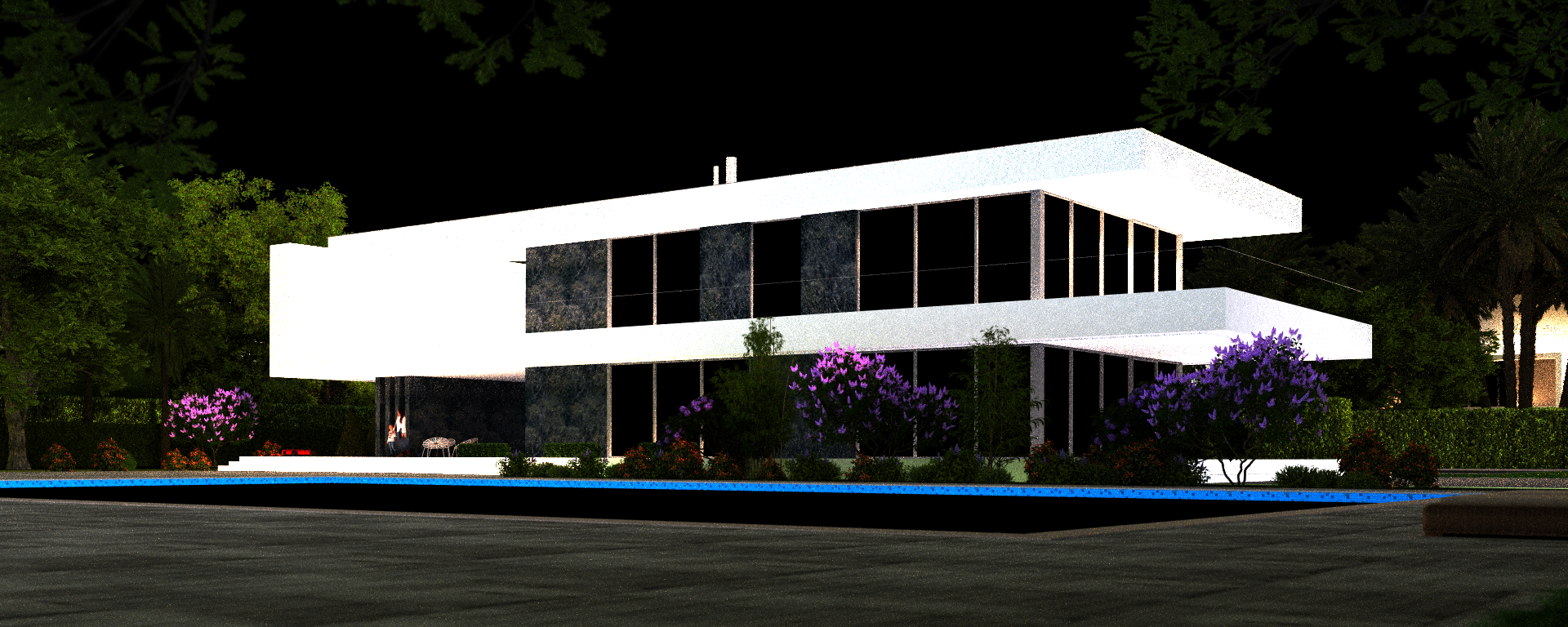
Velocity | 8bit | 16bit | The surface velocity. |
Mask | |||
Object Mask | 8bit | 16bit | The object ID. Randomly assigned object IDs at the initial load of the project. |
Material Mask | 8bit | 16bit | The material ID of the object. Randomly assigned material IDs at the initial load of the project. |
Examples
The following examples show how individual render channels can be used to alter the final image in compositing or image editing application. Click on any image to view it at a higher resolution.
Back to Beauty Composite
This example demonstrates how individual render channels compose a beauty image.
Atmosphere
Global Illumination
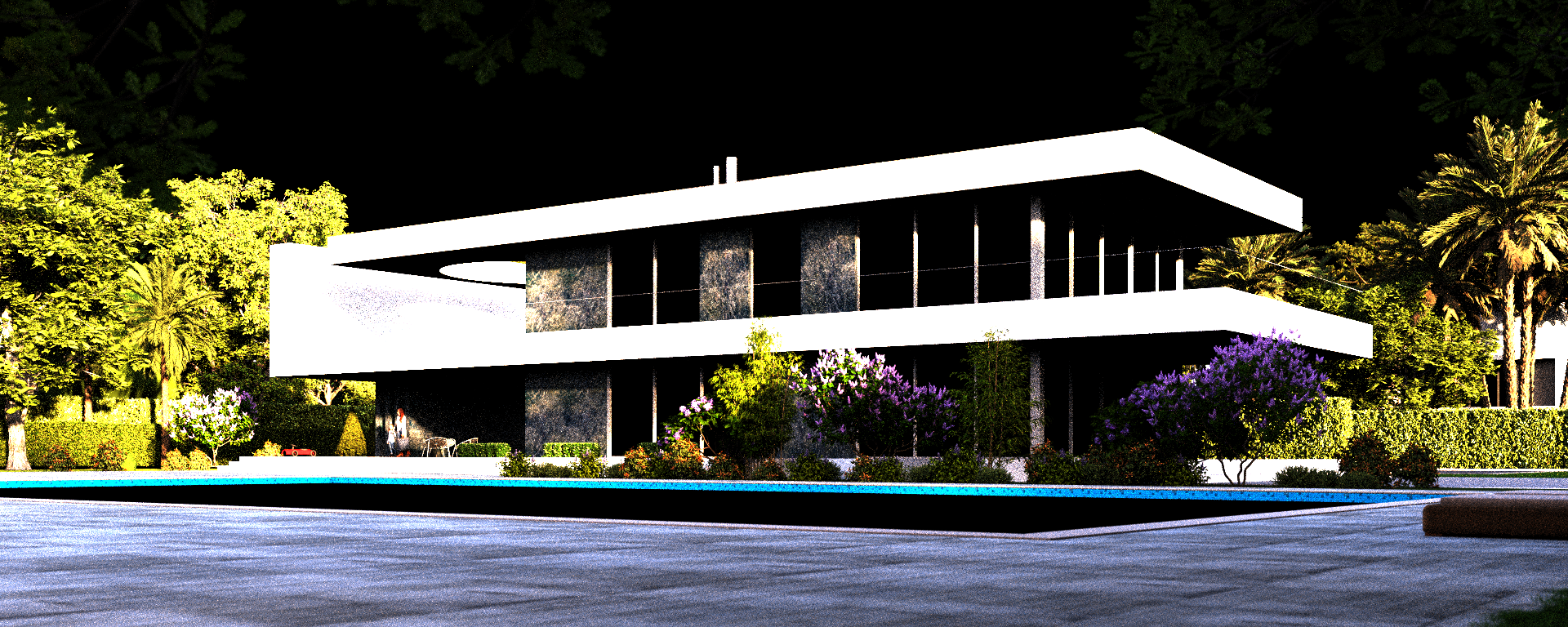
Lighting
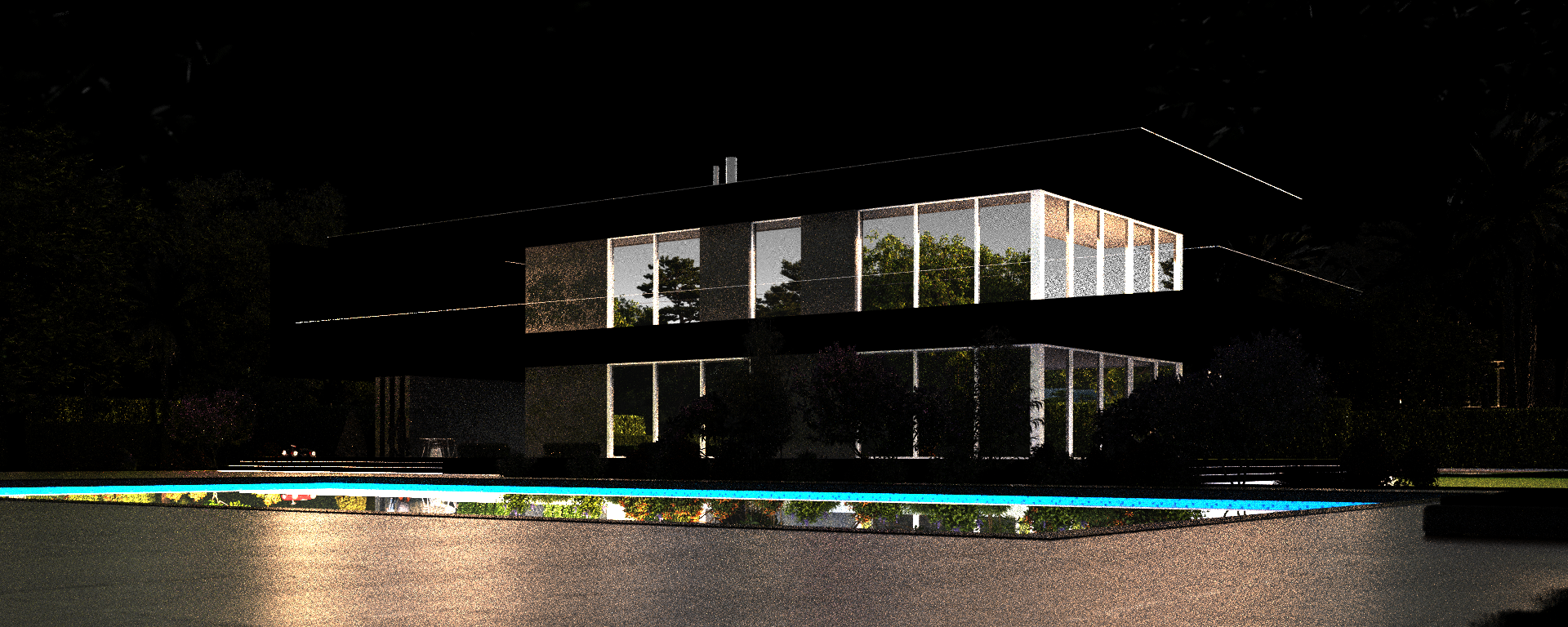
Reflection
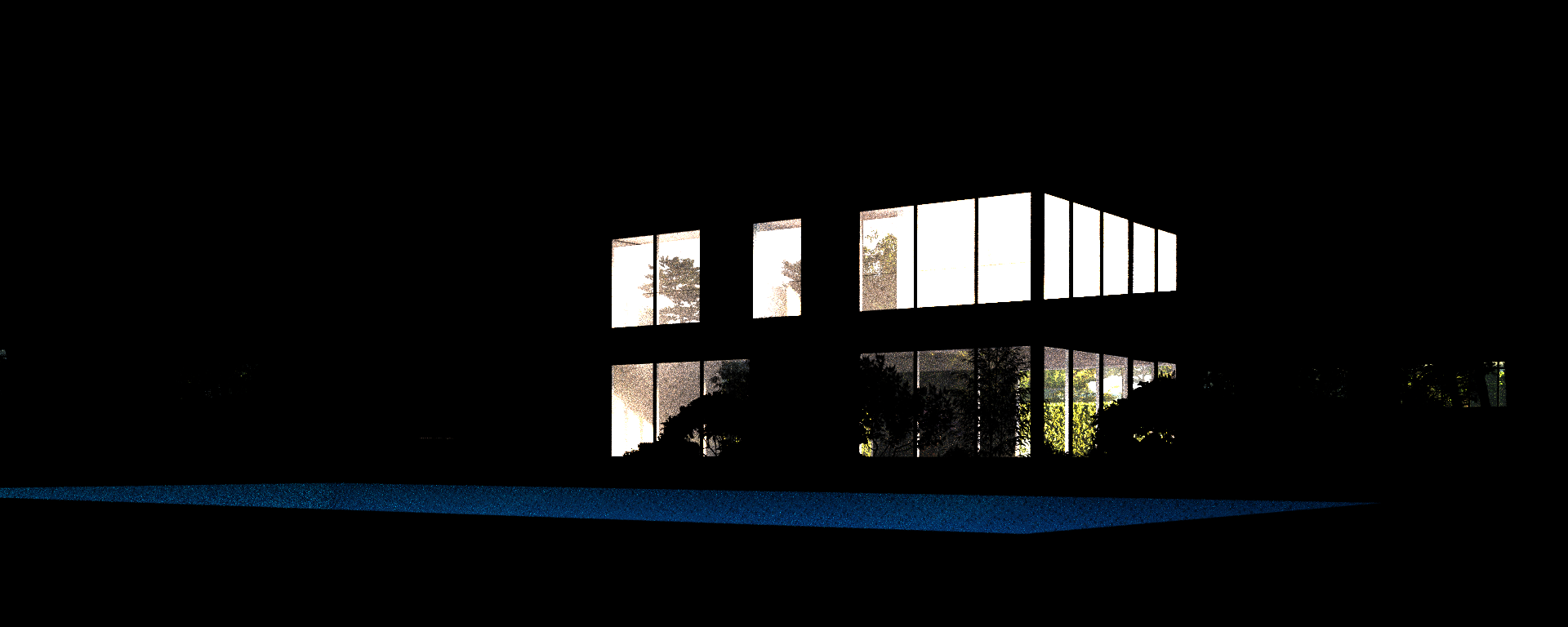
Refraction
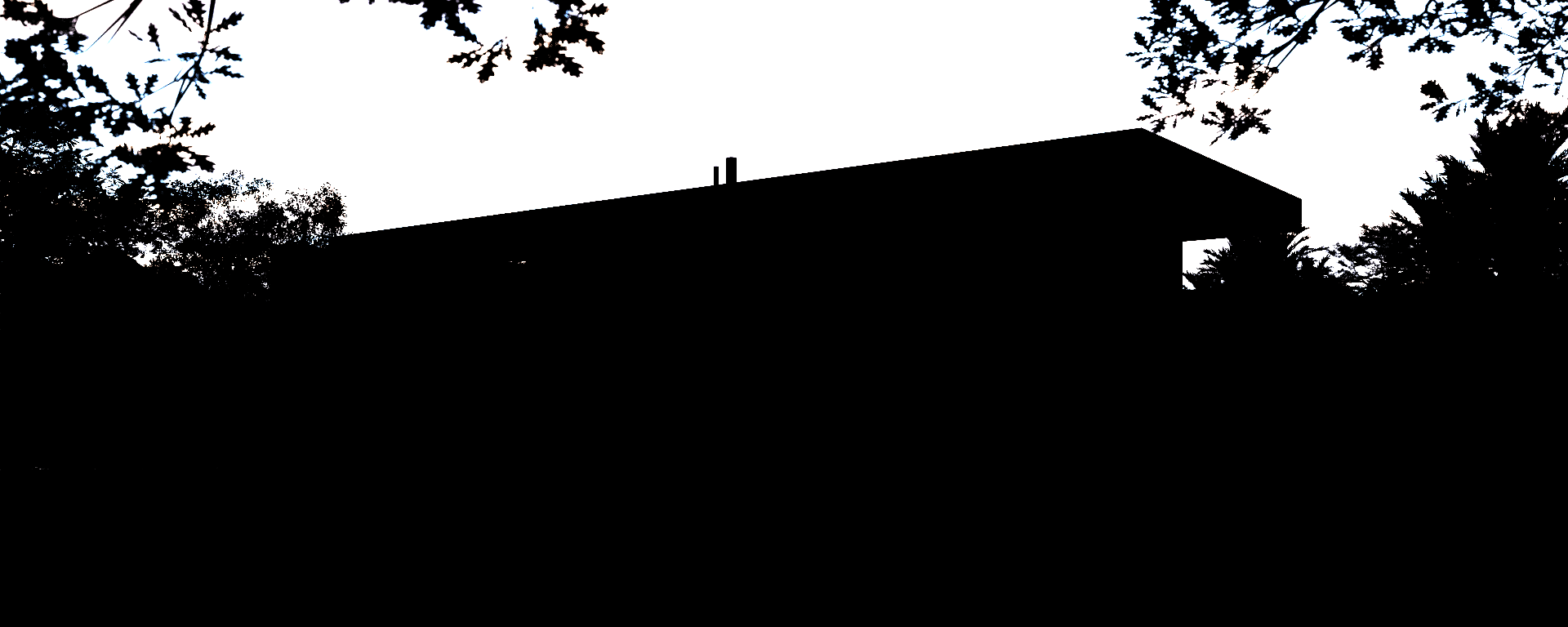
Self-Illumination
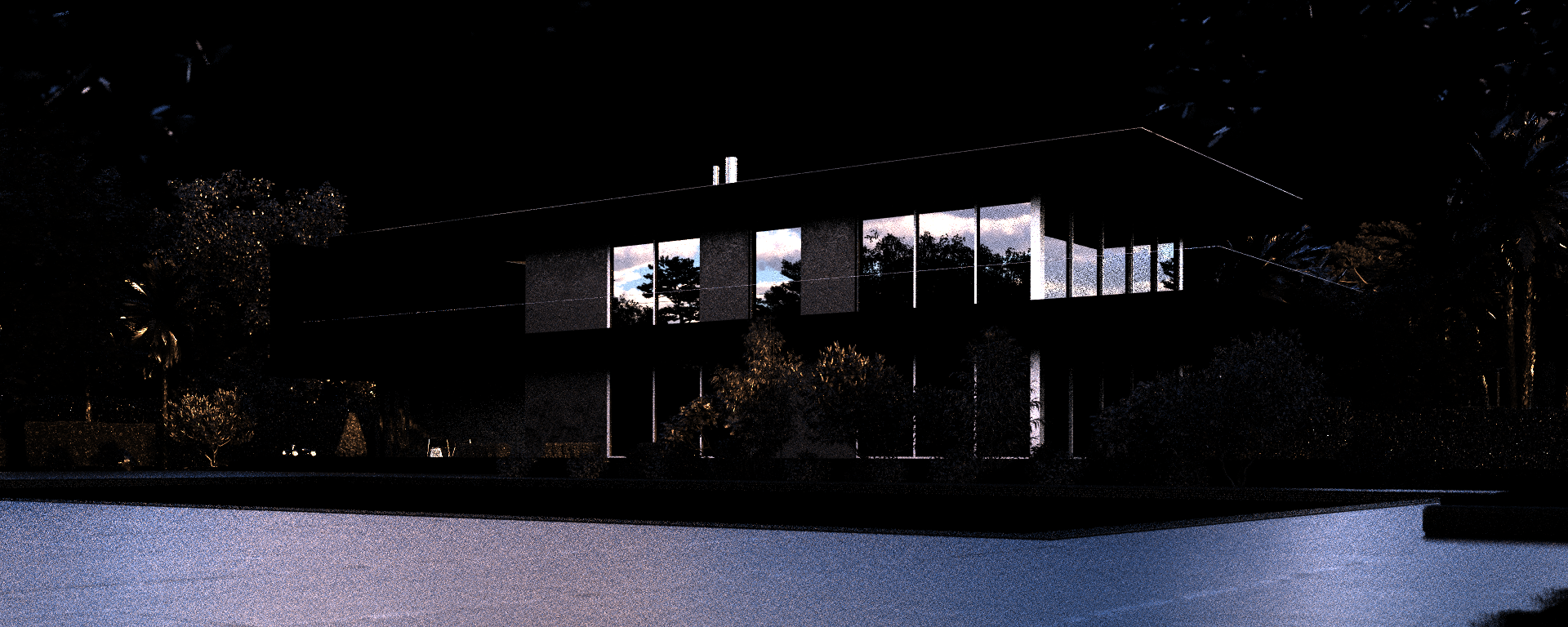
Specular
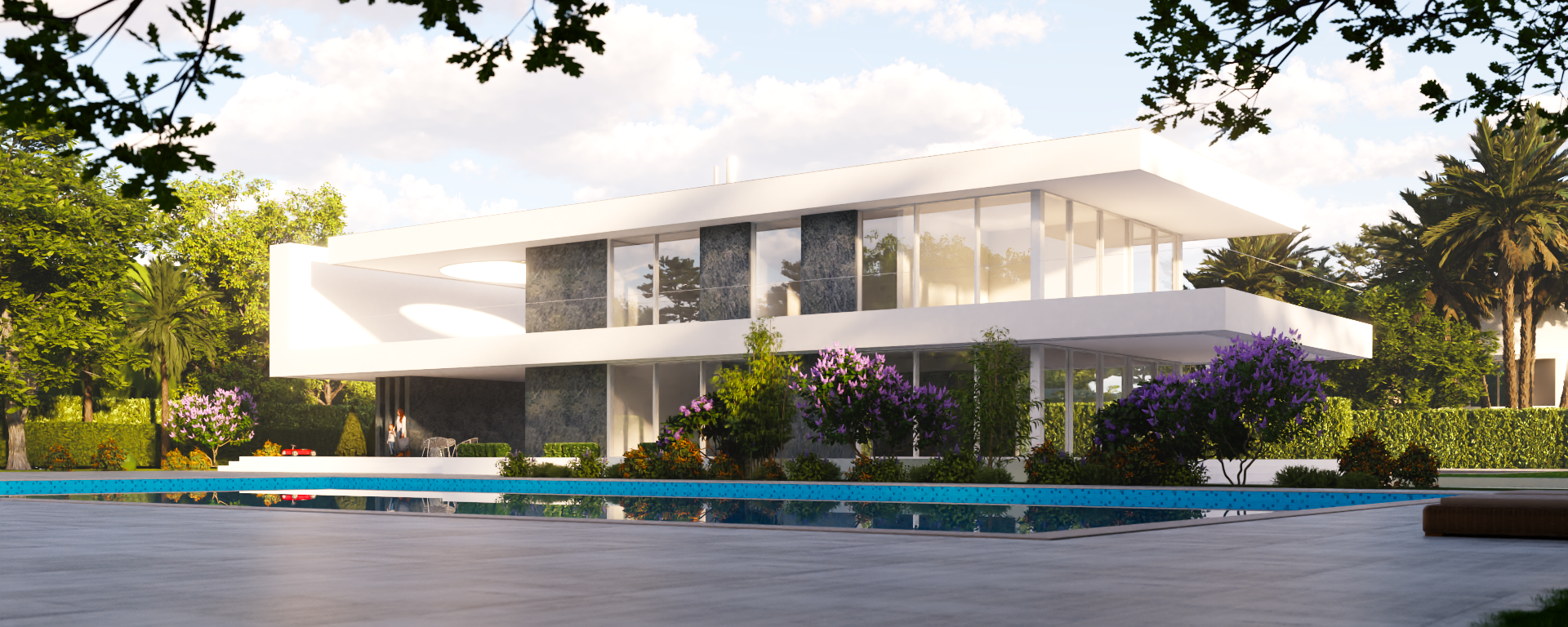
Beauty
Self-Illumination Channel
This example demonstrates how the Self-Illumination channel can be used to alter the final image in a compositing or image editing application. Here, the Self-Illumination channel is useful to change the appearance of a self-illuminated surface after rendering.
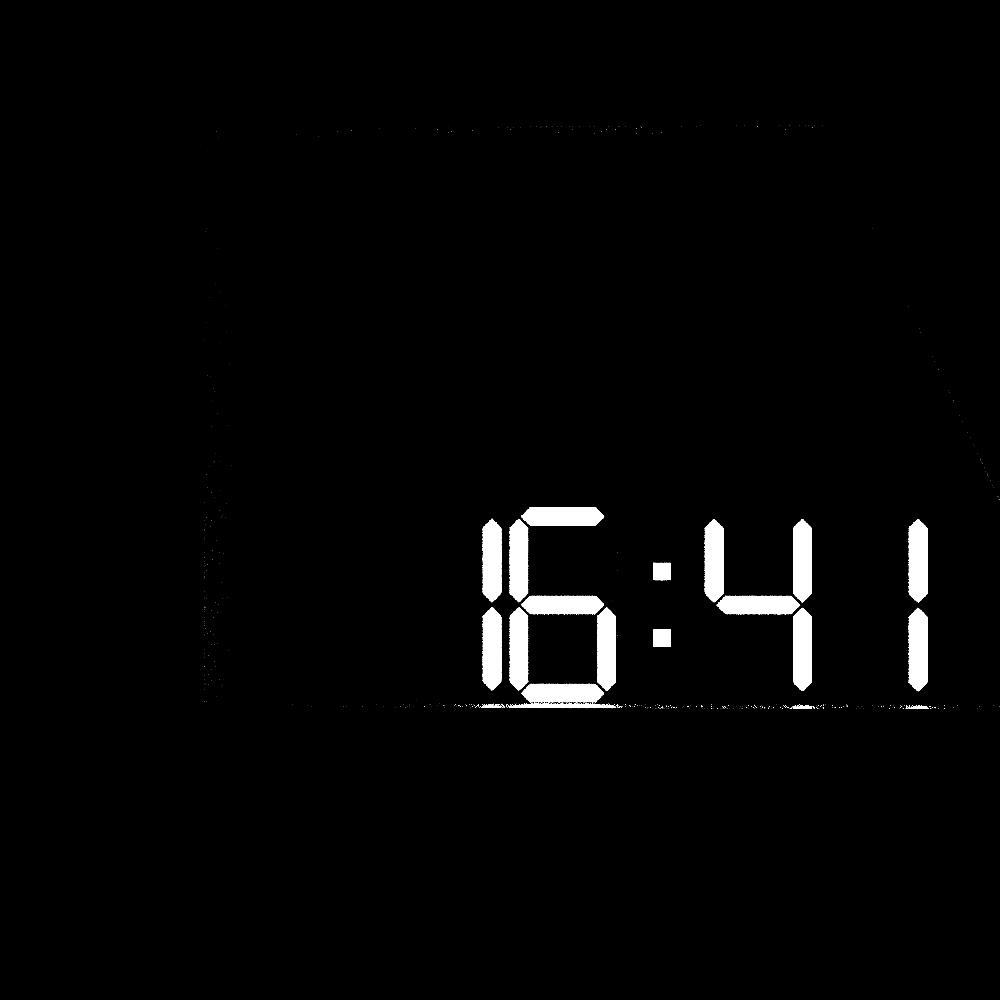
Self-Illumination
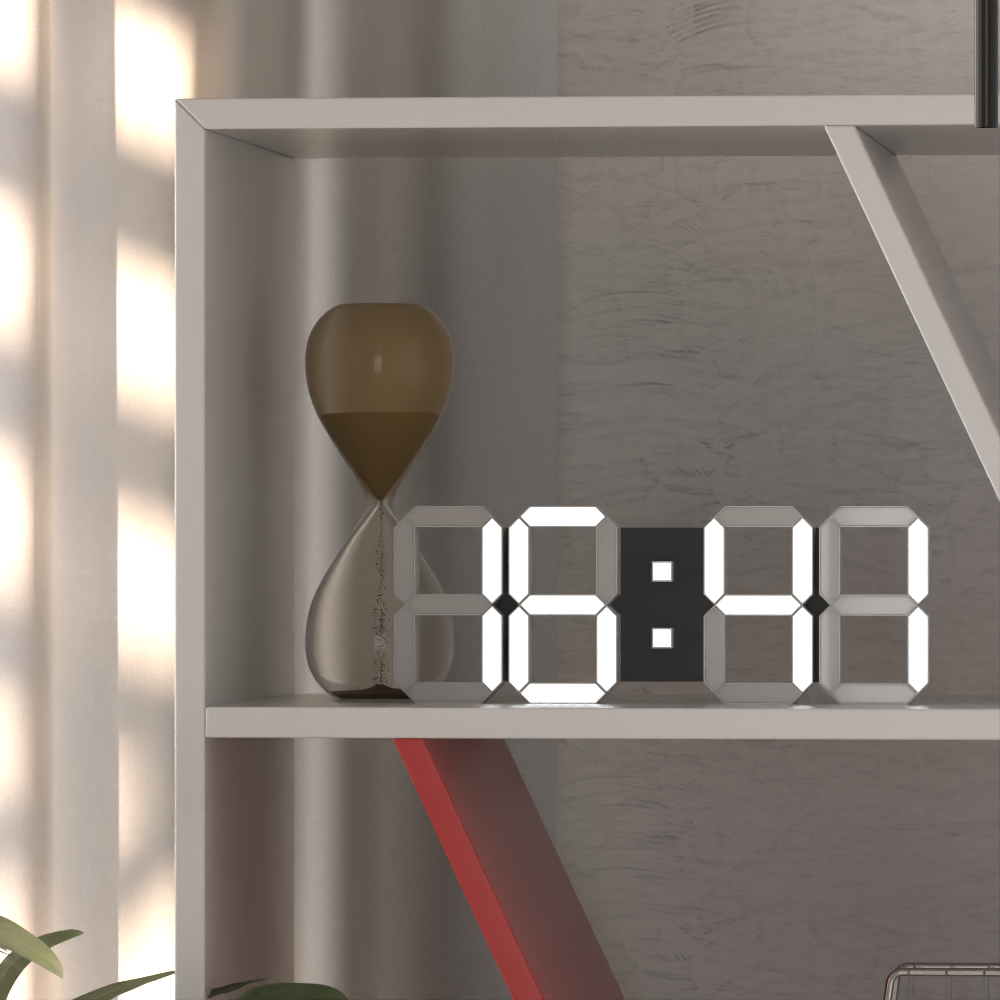
Beauty
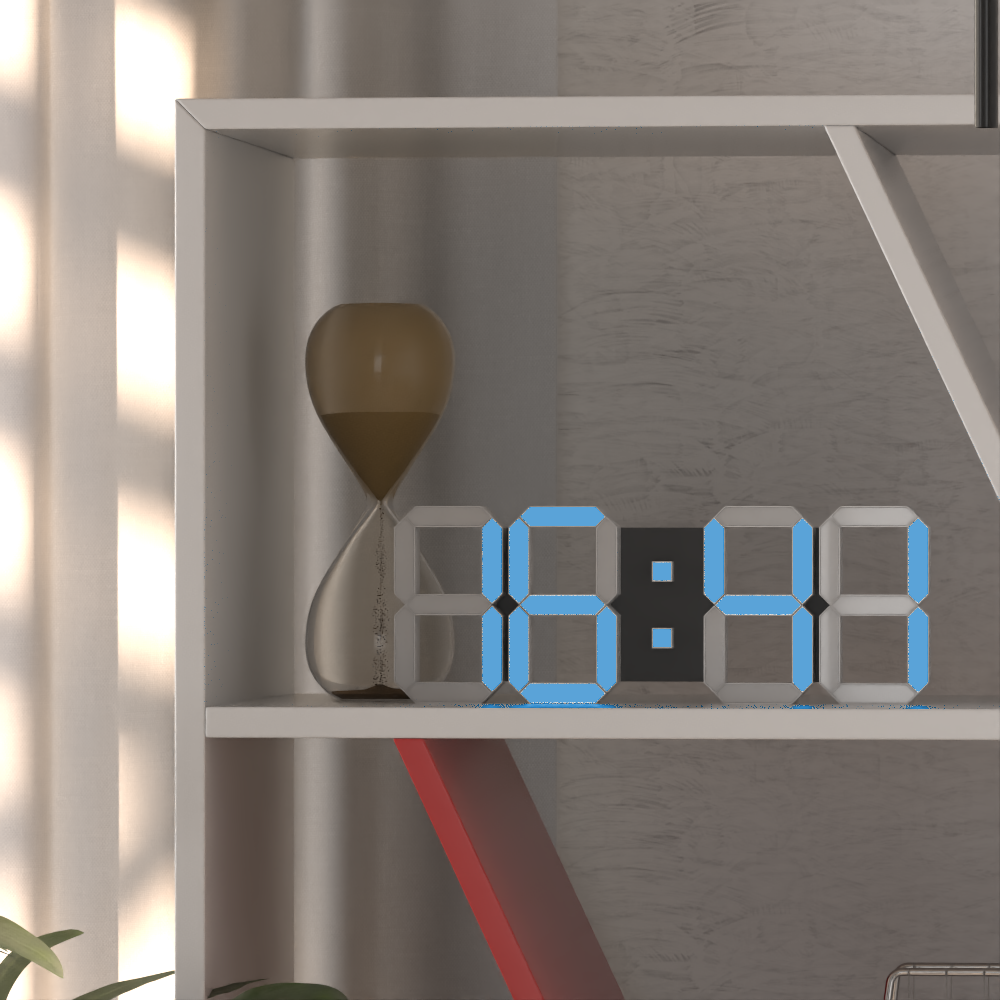
Beauty with changed colors
Lighting Channel
This example demonstrates how the Lighting channel can be used to alter the final image in a compositing or image editing application. Here, the Lighting render channel is used to change the appearance of direct illumination by adding a warm tone to the lights in compositing.
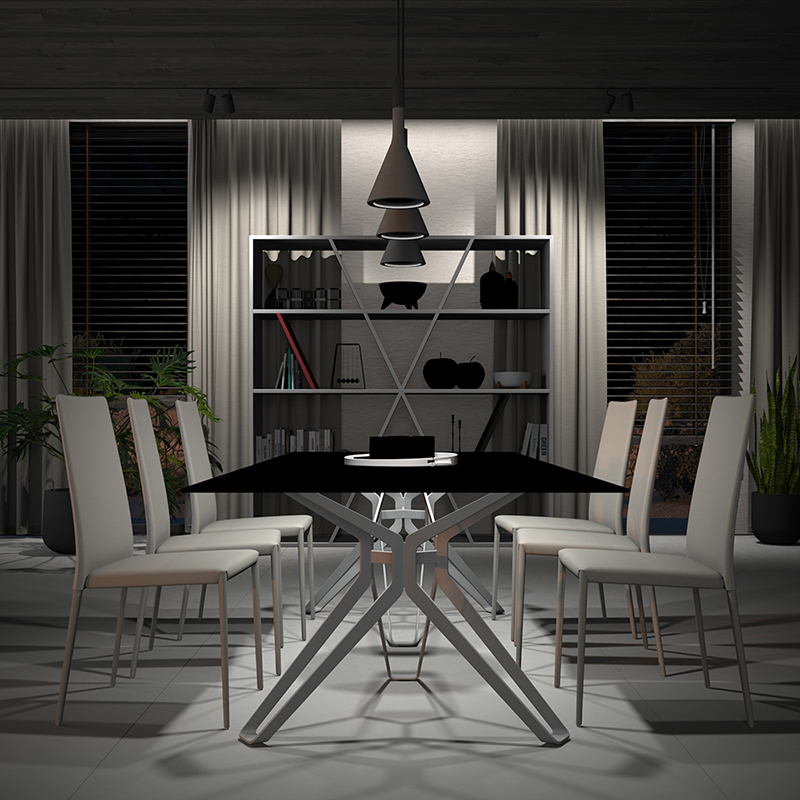
Lighting
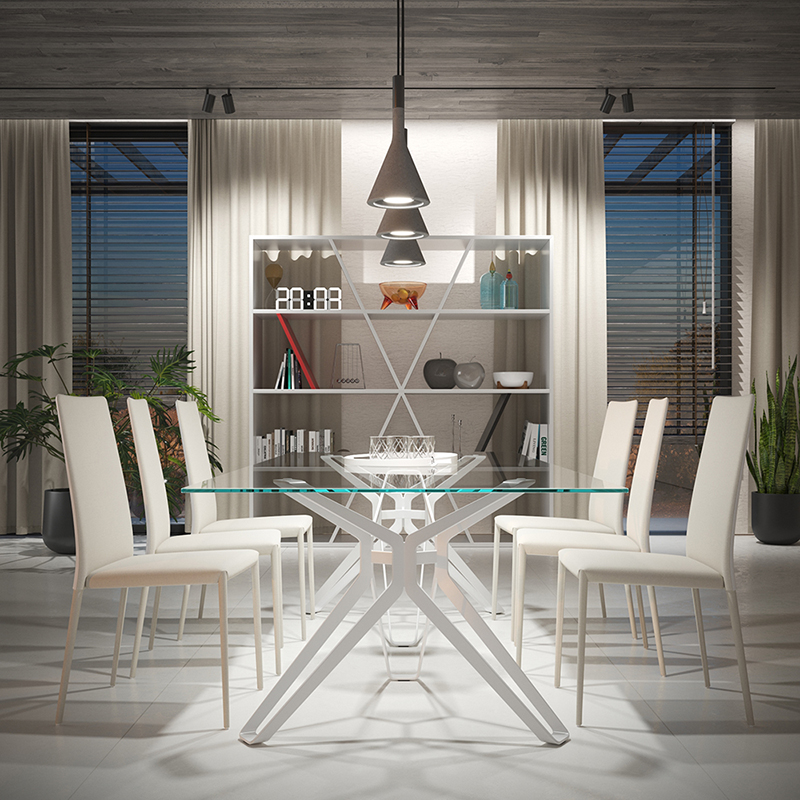
Beauty
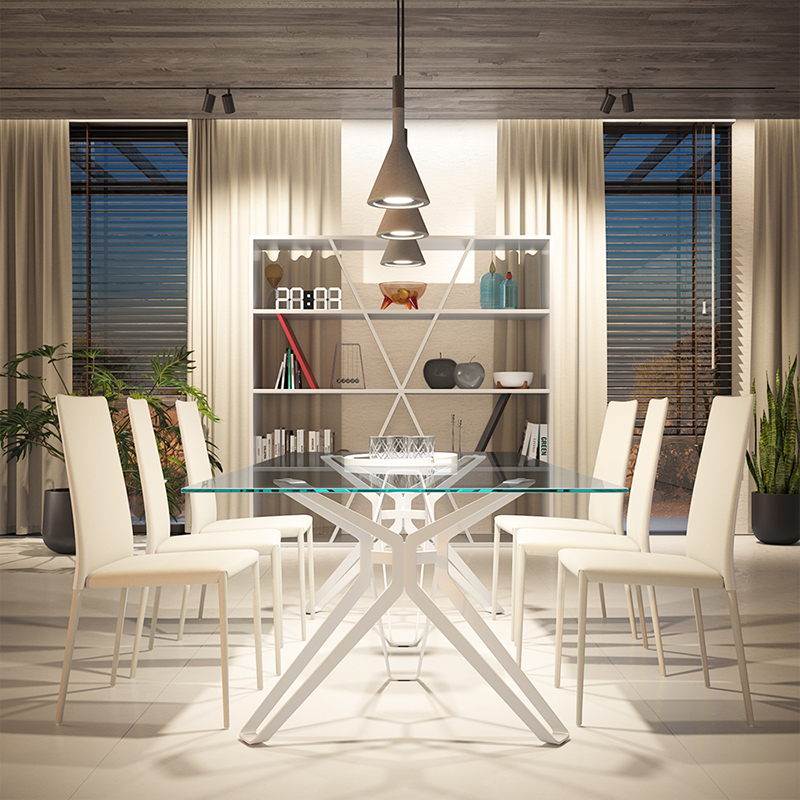
Beauty with warmed colors
The following examples demonstrate the use of geometry render channels.
Z-Depth
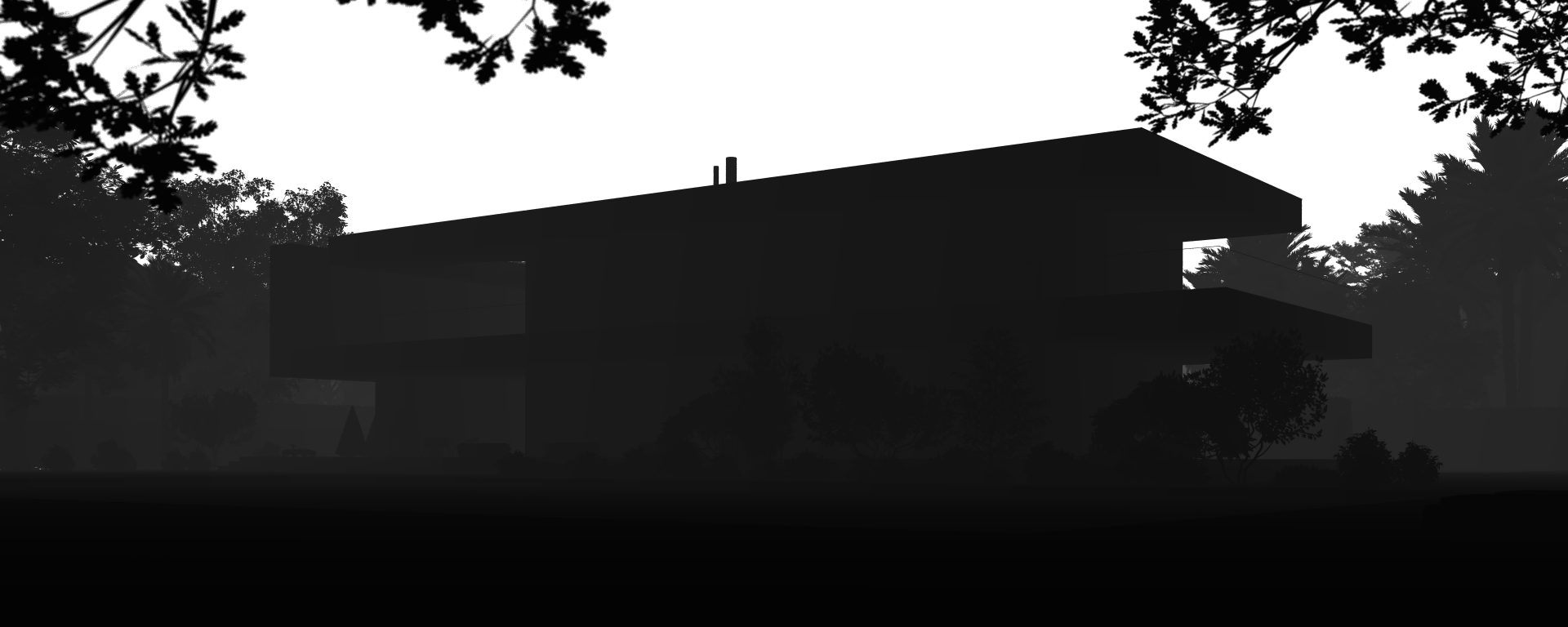
Z-Depth
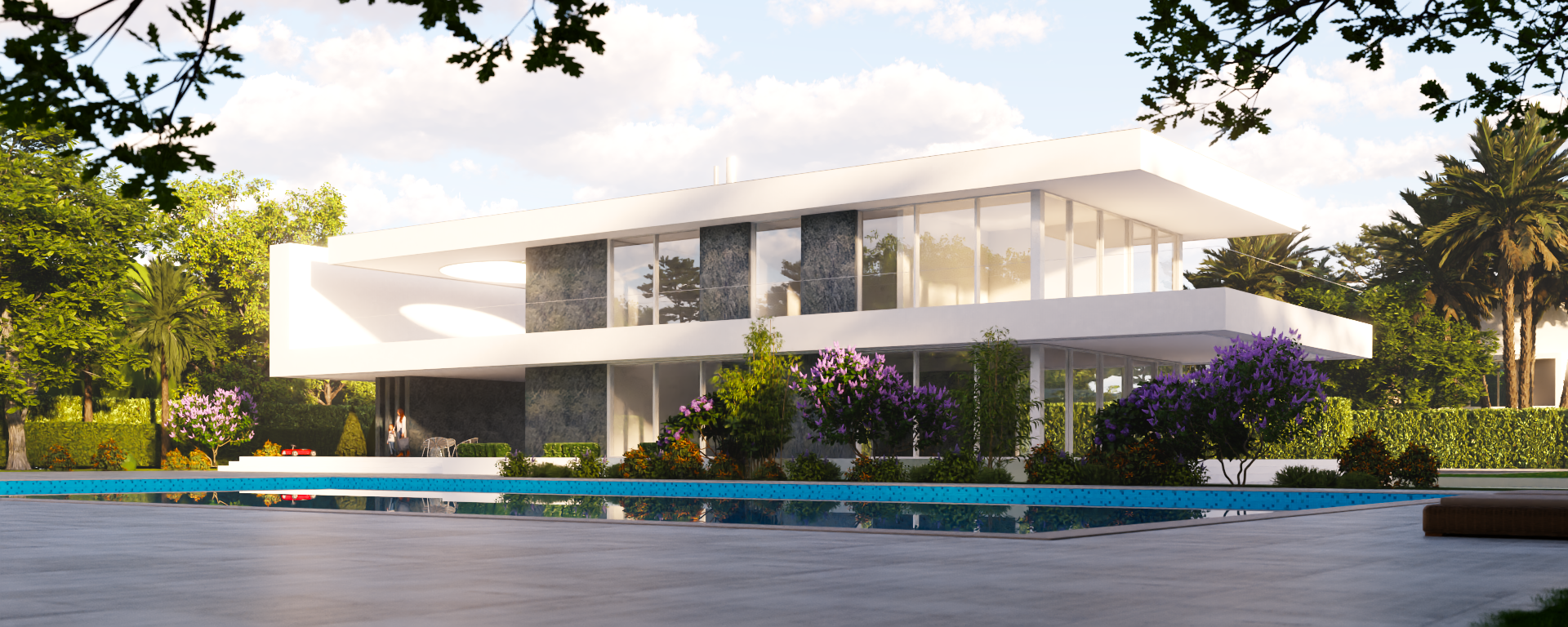
Beauty
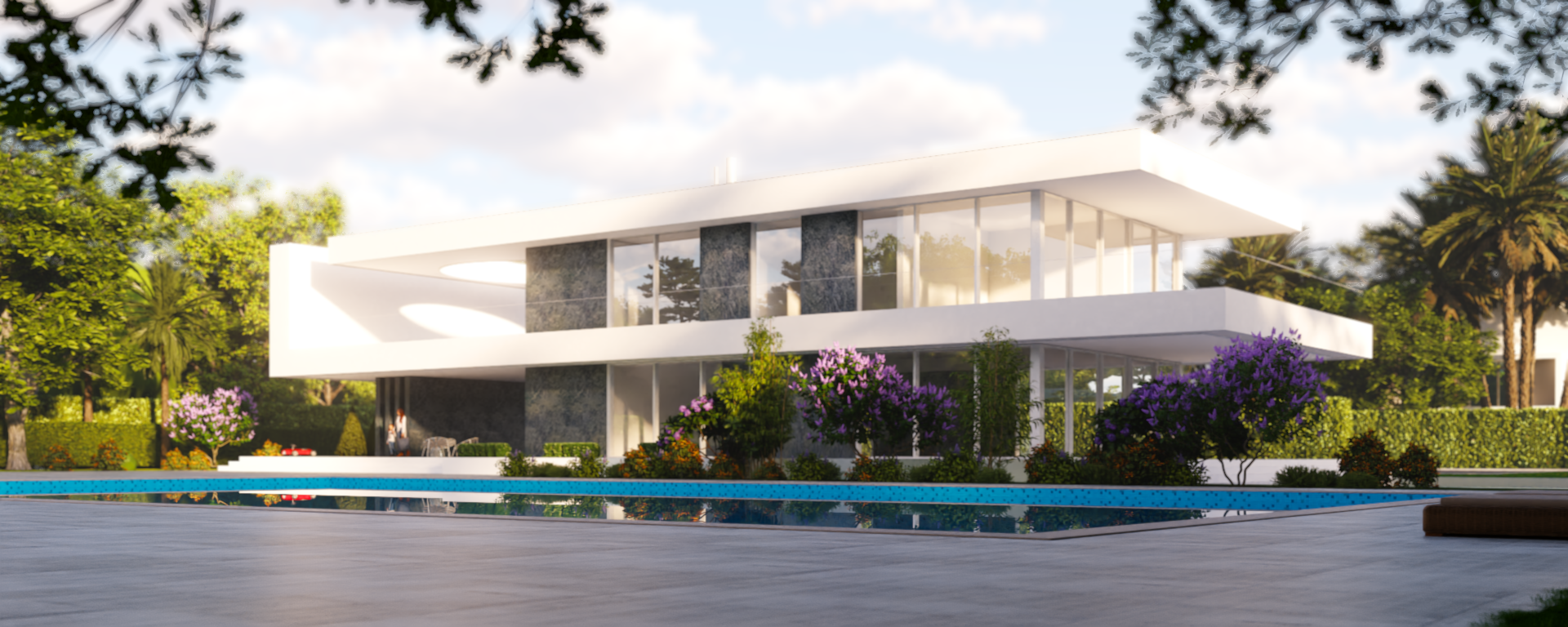
Depth of field applied to composite using Z-Depth render channel
The following examples demonstrate the use of mask render channels.
Object Mask Channel
This example demonstrates how the Object Mask channel can be used to alter the final image in a compositing or image editing application. Here, the Object Mask is used to isolate the pillow object and alter its color.
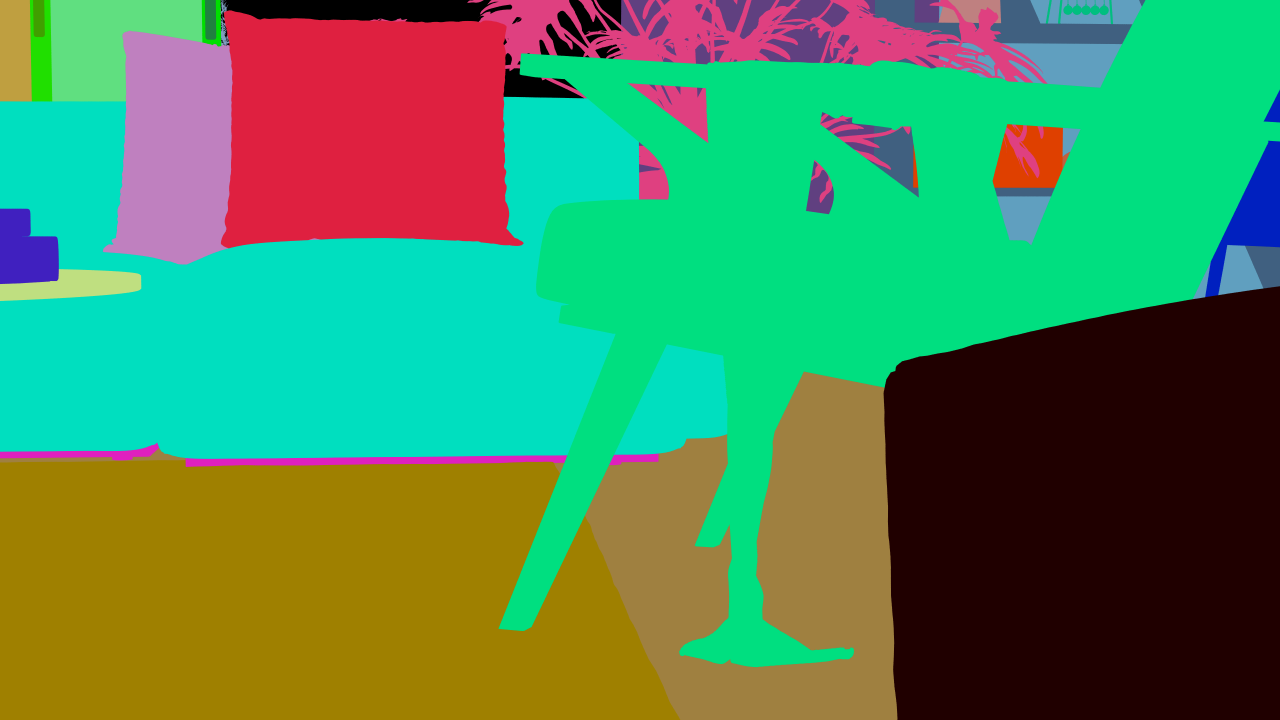
Object Mask
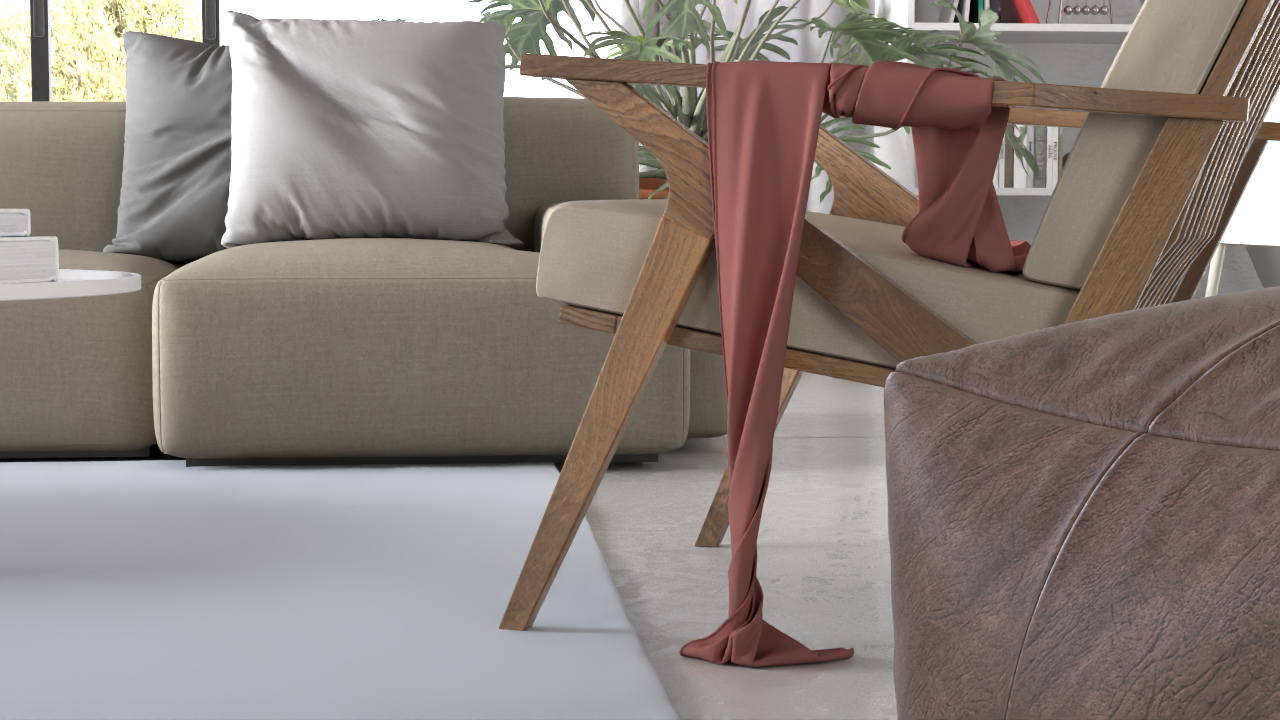
Beauty
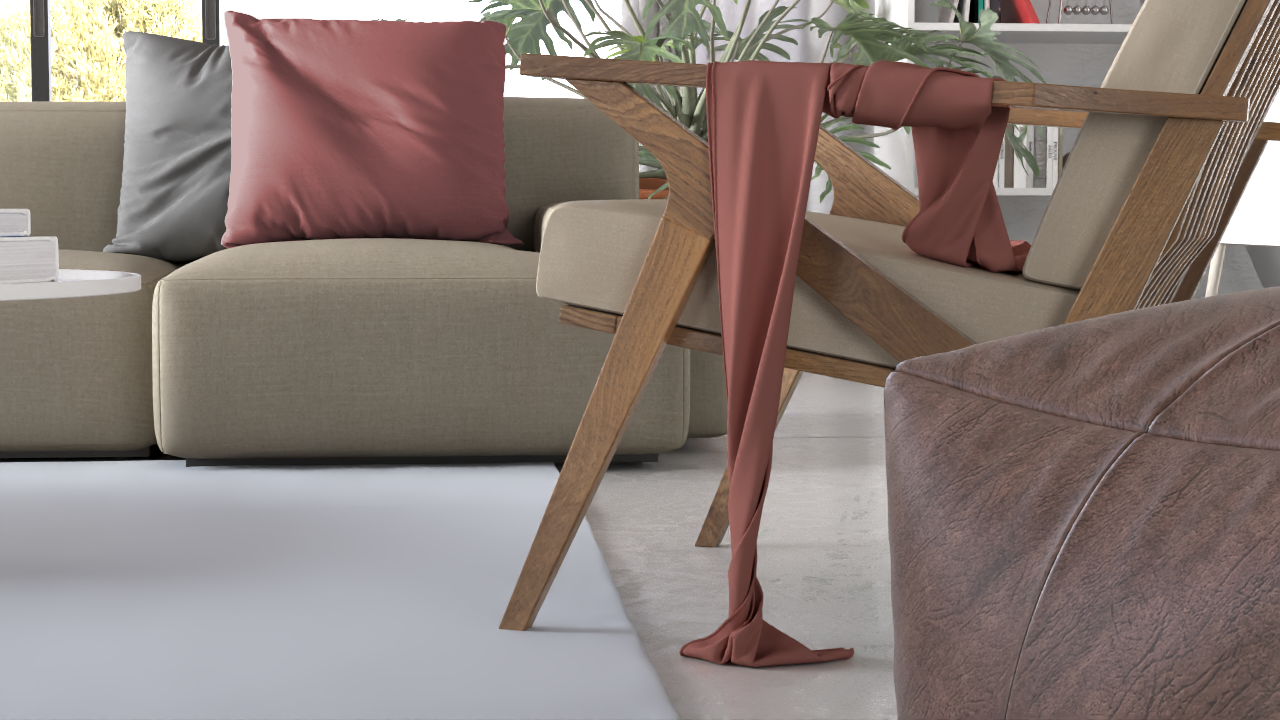
Beauty with changed colors
Material Mask Channel
This example demonstrates how the Material Mask channel can be used to alter the final image in a compositing or image editing application. Here the Material mask is used to isolate the ottoman's material and then color correct it.
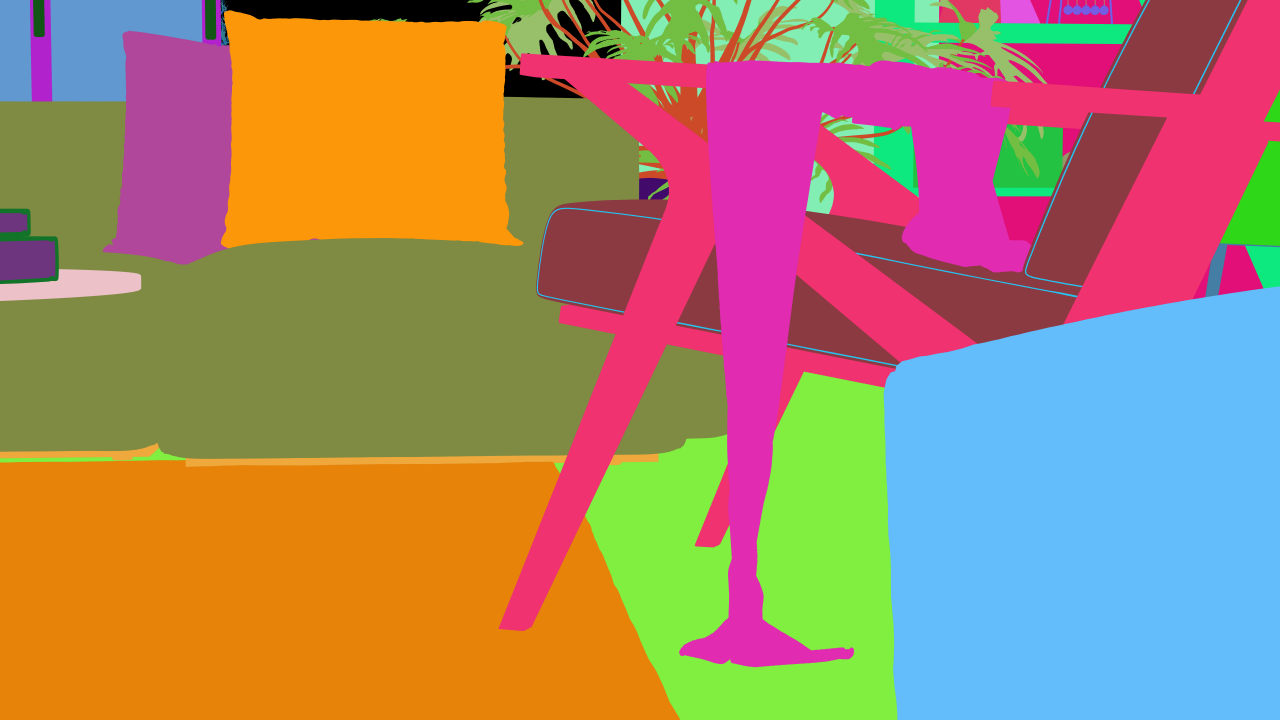
Material Mask
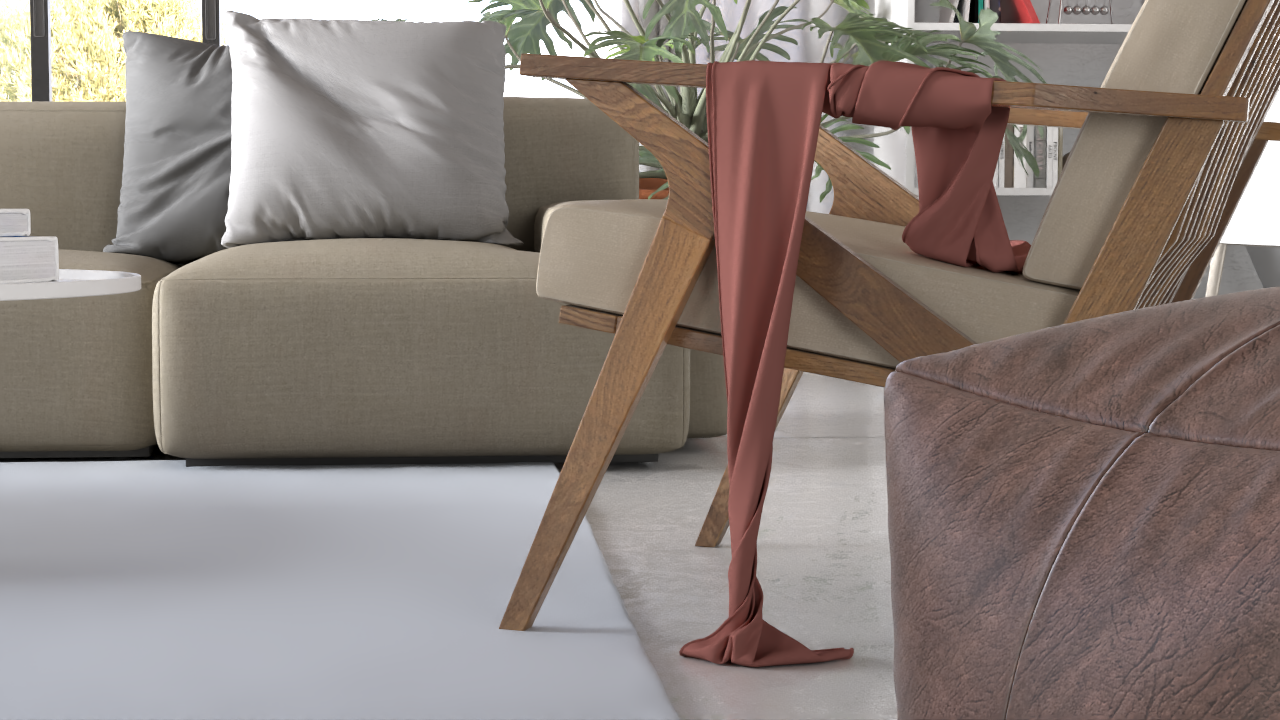
Beauty
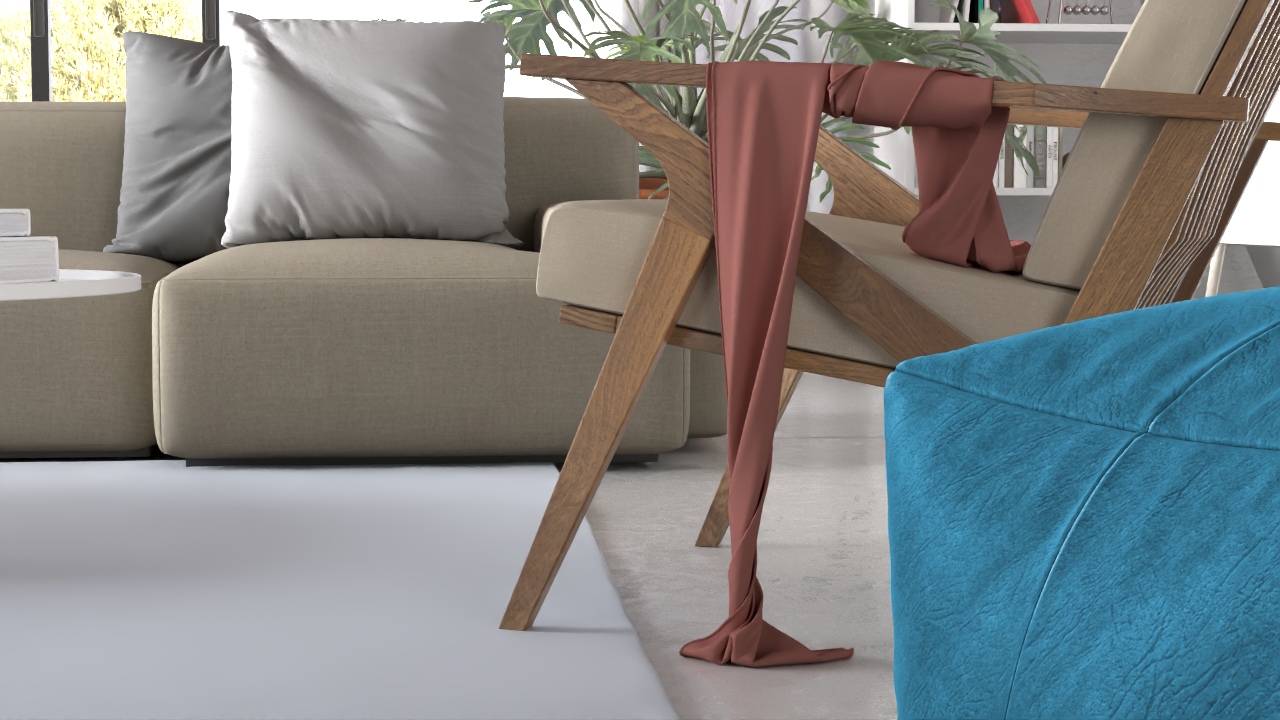
Beauty with changed colors
Notes
- Render channels are available only if a still image or an image sequence are rendered. Video files do not support render elements.